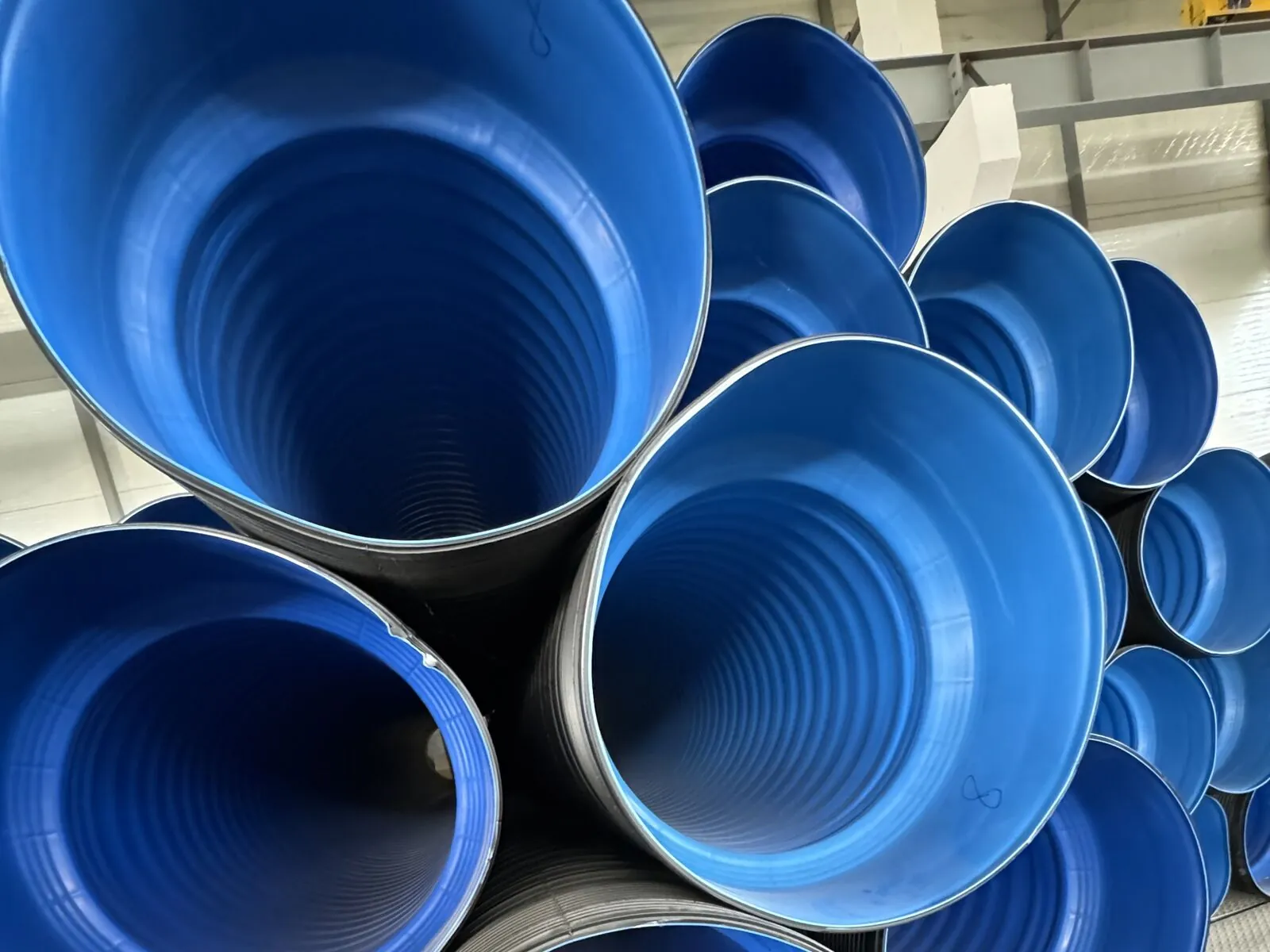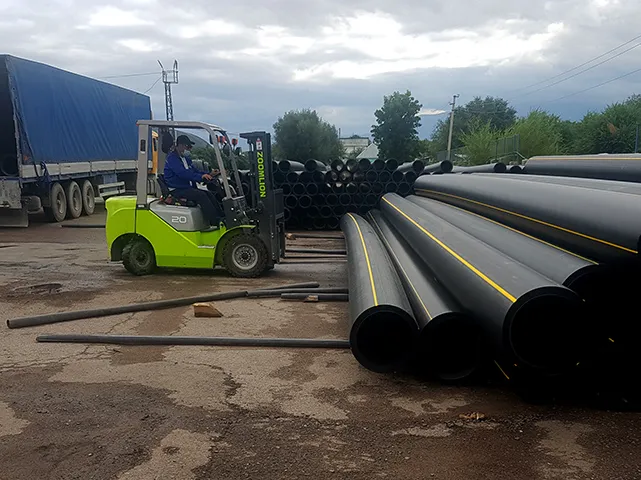
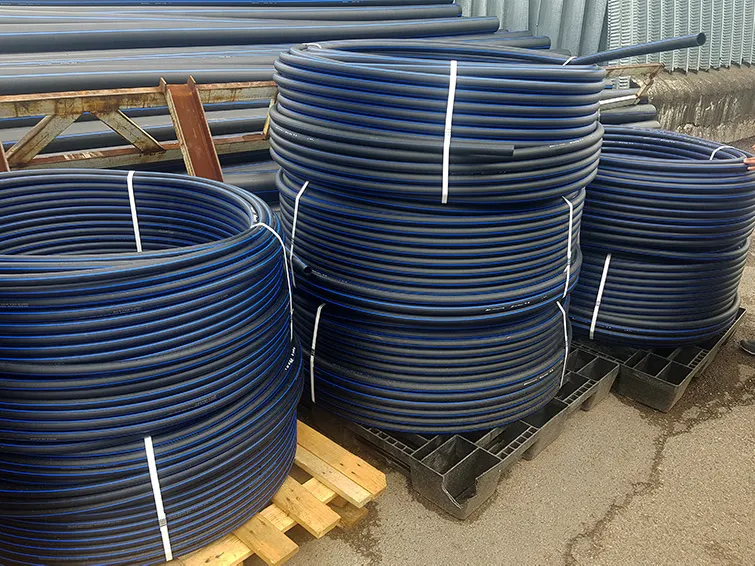
SDR is marked on every polyethylene pipe. This number determines what pressure the water line can withstand and how long it will last. Here is what it means and how to choose a pipe for your job.
What is SDR
SDR is the ratio of a pipe's outer diameter to its wall thickness. For example, a Ø 110 mm pipe with a 6.6 mm wall has SDR 17. The lower the SDR, the thicker the wall and the higher the pressure the pipe can withstand.
SDR and pressure
For PE 100 polyethylene pipes carrying water at up to 20 °C, pressure ratings are as follows:
| SDR | Pressure (PE 100) | Where it is used |
|---|---|---|
| SDR 26 | 6 bar | Irrigation, gravity flow, utility networks |
| SDR 21 | 8 bar | Country house, seasonal water line |
| SDR 17 | 10 bar | House, residential block, pumped water line |
| SDR 13,6 | 12.5 bar | Higher pressure |
| SDR 11 | 16 bar | Trunk lines, pressure networks |
Values for cold water. Gas has its own standards; see the article on GOST R 50838.
What to choose for a house, garden or trunk line
- Private house with a pump or well: SDR 17 (10 bar) with a pressure margin.
- Garden and irrigation: SDR 21 or SDR 26 if the network pressure is low.
- Residential blocks and on-site networks: SDR 17, per design.
- Trunk and pressure networks: SDR 11 or thicker, only as calculated by the design engineer.
Not sure which SDR you need?Send your project or describe the site. We'll select the pipe and send a quote within 30 minutes.
What else to check
- Marking: the pipe must be marked with the material (PE 100), SDR, diameter, standard and batch date.
- Stripe: blue for water, yellow for gas.
- Documents: a certificate and a batch quality passport are required for project acceptance.